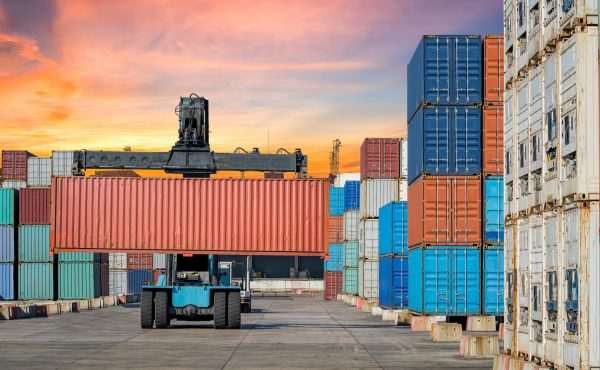
Reverse Logistics: How International Returns Can Be Optimized
In today’s global trade, the customer experience doesn’t end when a product reaches its destination. More and more, companies must also manage the return journey—reverse logistics, the process of returning, recycling, or reusing products on an international scale.
Optimizing this part of the logistics chain not only reduces costs but also improves sustainability and customer satisfaction. However, managing it efficiently requires planning, proper documentation, and a transport and customs network with expertise in international operations.
What Is Reverse Logistics?
Reverse logistics encompasses all operations related to returning a product from its point of consumption to its point of origin or reuse. In the international context, it may involve customer returns, defective products, excess inventory, or reusable packaging.
Its goal is to recover the product’s value or ensure its proper disposal while minimizing costs and environmental impact.
Main Challenges in International Returns
- Customs complexity
Each international return involves a new customs process with its own declarations, tariffs, and documentation requirements. Managing these procedures without experience can lead to delays or unnecessary expenses. - High logistics costs
Unlike export flows, returns often involve smaller and scattered volumes, making consolidation difficult and transportation more expensive. - Product condition management
It’s essential to determine whether the item will be restocked, repaired, recycled, or destroyed—and to define the corresponding logistics flow for each case. - Environmental impact
An inefficient return system can multiply unnecessary trips. Sustainable planning is key to reducing the carbon footprint of these processes.
Best Practices to Optimize International Reverse Logistics
- End-to-end traceability
Implement digital tracking systems that allow you to know the location and condition of each returned product at all times. This facilitates real-time decision-making and reduces operational errors. - Smart classification and consolidation
Centralizing returns by geographic area or product type helps reduce transport costs and improve customs management efficiency. - Proactive customs planning
Proper tariff classification and advance documentation (pro forma invoice, certificates of origin, etc.) prevent border bottlenecks and streamline reimportation or transit procedures. - Collaboration with specialized operators
Partnering with freight forwarders that have global experience and certifications such as Authorized Economic Operator (AEO) ensures regulatory compliance and traceability throughout the return journey. - Leveraging residual value
Returned products can reenter the economic cycle through refurbishment, recycling, or resale in secondary markets—contributing to the circular economy.

Sustainability as a Driver of Change
As consumers and companies increasingly demand responsible solutions, reverse logistics has become a strategic tool for sustainability. Efficient return management minimizes waste, reduces emissions, and optimizes supply chain resources.
Every action counts—from redesigning packaging to facilitate returns to choosing more efficient multimodal routes.
Logisber’s Commitment
At Logisber, we design tailored logistics solutions that integrate return flows into the global supply chain. Our expertise as an Authorized Economic Operator (AEO) and deep knowledge of international regulations allow us to offer agile, secure, and transparent customs management.
We support companies through every stage of the process—from return planning to transport optimization and documentation management. Each successfully handled return strengthens our purpose: to drive a greener, more responsible, and more connected logistics.
Want to optimize your company’s international returns? Contact our team—we’ll help you design a secure and sustainable reverse logistics strategy.
Categorías
Compartir