Smart Containers: How They Are Transforming International Maritime Transport
Maritime transport moves nearly 90% of the world’s goods, and for decades, the standard container has been its key building block. Today, digitalization has taken a major step forward: the emergence of smart containers is transforming the way companies and operators monitor, protect, and optimize their logistics chains.
These devices now make it possible to know— in real time— where each shipment is, under what conditions it is traveling, and what decisions must be made to avoid delays or incidents. An innovation that directly impacts the efficiency, safety, and sustainability of global trade.
What Is a Smart Container?
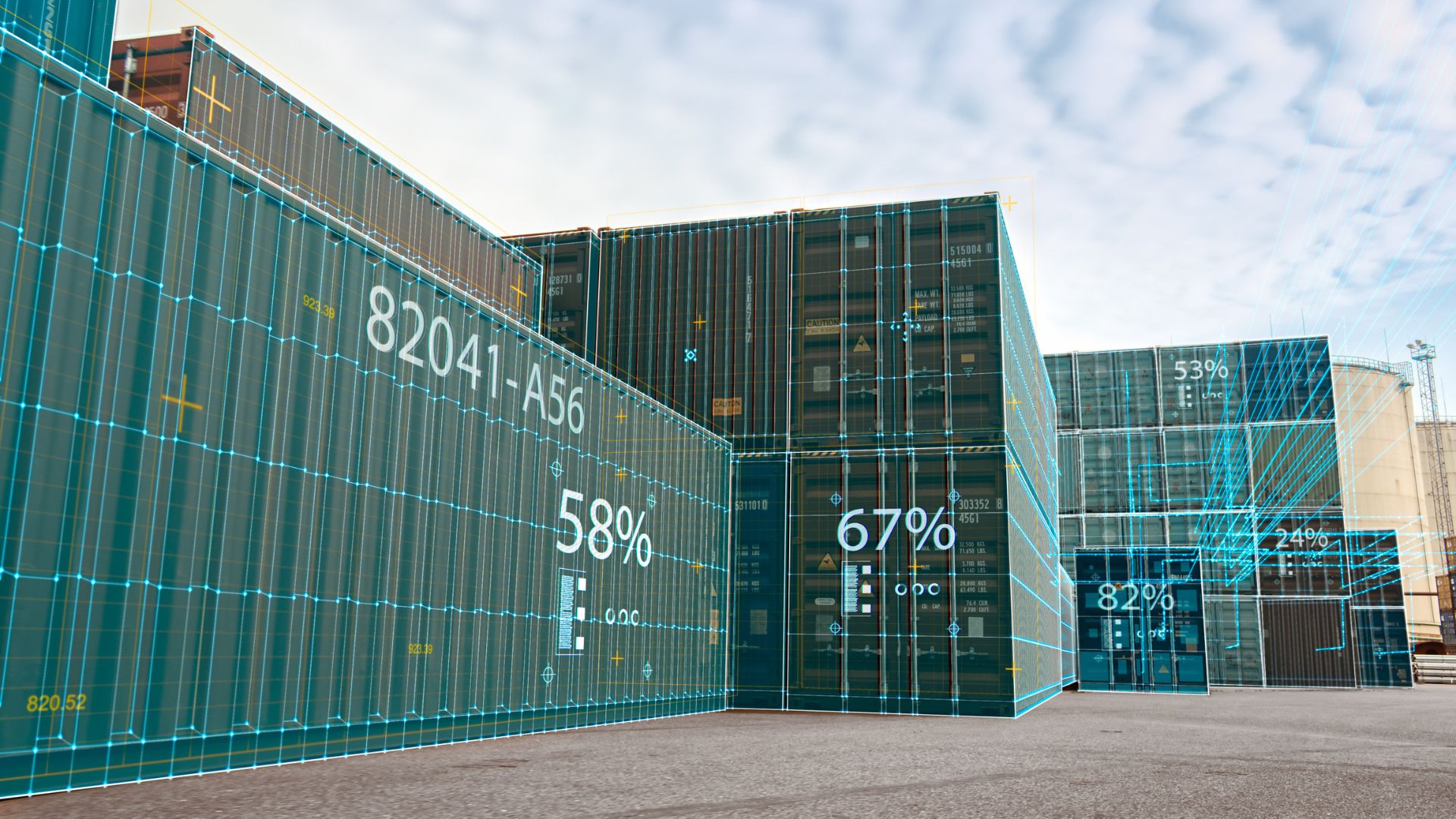
A smart container is equipped with IoT monitoring systems that enable:
- Real-time location (GPS)
- Temperature, humidity, and door-opening control
- Automated alerts for unauthorized movements
- Integration with digital platforms for analytics and decision-making
Unlike traditional tracking devices, these sensors are built into the container structure, providing continuous data throughout the journey.
Their purpose is clear: to deliver full visibility across the maritime chain— a critical factor for sensitive or highly regulated industries such as food, pharmaceuticals, or hazardous goods.
Why They Are Transforming Maritime Transport
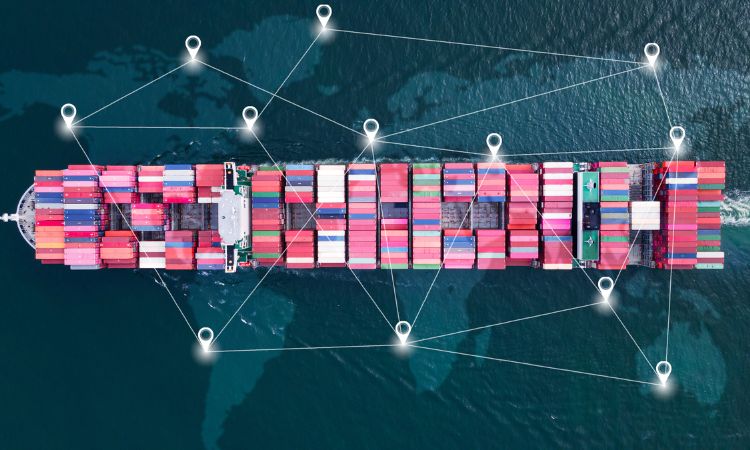
- Total route visibility: Maritime transport has historically lacked information during navigation. With smart containers, companies receive real-time updates on location and shipment conditions, enabling them to anticipate issues, optimize routes, and coordinate delivery times more efficiently.
- Enhanced security: Sensors detect unauthorized openings, shocks, vibrations, or unexpected deviations. This constant monitoring helps reduce theft or tampering risks and ensures cargo integrity.
- Environmental condition control: For temperature-sensitive goods, continuous monitoring helps prevent quality loss before it occurs.
- Lower operational costs: Real-time information helps optimize routes, detect inefficiencies, and improve port planning. This means fewer delays, reduced risk of added costs, and more balanced inventory management.
- Greater sustainability: Optimized routes and fewer unnecessary movements contribute to lower emissions and a greener logistics model.
Main Challenges in Adopting Smart Containers
Despite their advantages, implementation comes with some challenges:
- Initial investment: Costs of sensors and digital platforms remain high for many companies.
- Interoperability: Not all systems are compatible, making integration into internal platforms more complex.
- Connectivity at sea: Limited coverage on certain routes can affect continuous data transmission.
- Cybersecurity: Increased digital data requires higher protection against unauthorized access.
Logisber’s Commitment
At Logisber, we integrate these technological innovations into our maritime solutions, combining advanced monitoring, document control, and customs management backed by our AEO certification.
Our team designs customized logistics chains that prioritize security, efficiency, and visibility at every stage of transport. From origin to destination, we support companies so their shipments reach the right port safely— connecting markets and building more reliable, sustainable, and digital trade routes.
Want to improve the traceability of your imports or exports? Contact our team and we’ll help you integrate smart solutions into your logistics chain.
Categorías
Compartir