Electric mobility: logistics keys to importing lithium batteries and components
Electric mobility is transforming transportation and the automotive industry worldwide. Demand for electric vehicles, bicycles, and devices with rechargeable batteries has grown exponentially, driving new needs in international logistics.
However, importing and transporting lithium batteries and electrical components poses unique challenges: their classification as dangerous goods, strict international regulations, and the high safety standards required for handling them. In this context, working with a specialized logistics partner is key to ensuring safe, efficient, and sustainable operations.
Lithium batteries: a sensitive product with special regulations
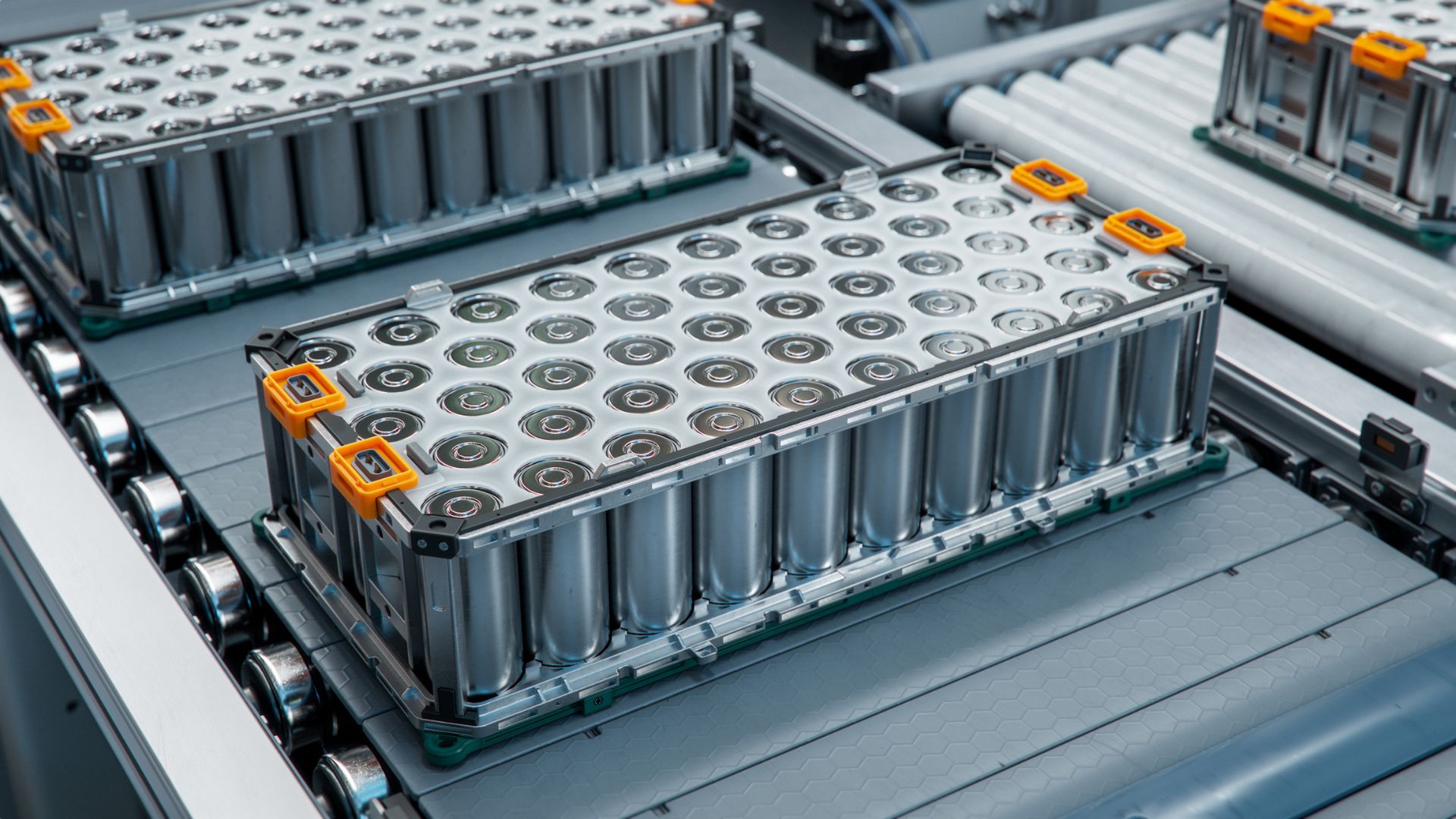
Lithium-ion batteries—whether shipped on their own or integrated into equipment—are classified as dangerous goods under UN codes 3480, 3481, and 3171. This means their transport must comply with international regulations such as ADR (road), IMDG (sea), and IATA-DGR (air).
Handling them requires specific measures to prevent thermal runaway or fires. Therefore, before importing or exporting this type of cargo, it is essential to:
- Correctly identify the battery type.
- Have the Safety Data Sheet (SDS/MSDS).
- Ensure approved packaging and clearly visible labels.
- Verify compliance with the UN Manual of Tests and Criteria (Section 38.3).
An error in any of these steps can lead to customs delays or even the detention of the goods.
Documentation and customs requirements: precision with no margin for error
The import process for lithium batteries and electrical components involves thorough technical and customs controls. Key documents include:
- Correct tariff classification (HTS/HS), which determines applicable duties and taxes.
- Certificates of conformity and electrical safety (CE, UL, IEC, etc.).
- Environmental permits when transporting used or recycled batteries.
Fast customs clearance depends on precise customs planning. Incorrect classification can result in border holds or financial penalties. At this point, working with an experienced customs representative accredited as an AEO (Authorized Economic Operator) makes a real difference.
Multimodal logistics and digital traceability
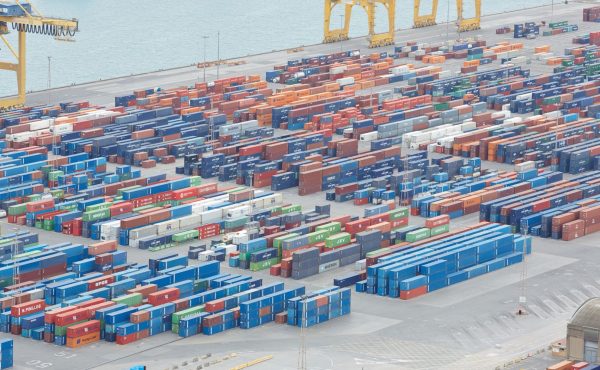
Given the complexity of battery transport, multimodal planning is often the most efficient option. Combining ocean, road, and air transport allows each shipment to be adapted to its risk level and urgency.
Digitalization has also become an essential ally:
- Online monitoring systems provide real-time shipment status.
- Automated validations ensure regulatory compliance.
- Traceability tools help reduce errors and improve operational safety.

Sustainability and responsible battery management
Electric mobility not only drives technological innovation but also environmental responsibility. More and more operators are adopting sustainable practices across the supply chain:
- Use of cleaner fleets and route optimization.
- Emissions offsetting and carbon footprint reduction.
- Circular waste management through battery recovery and recycling.
The future of transporting electrical components lies in integrating sustainability, safety, and efficiency within a single operating model.
Logisber: logistics and customs expertise for electric mobility
At Logisber, we support manufacturers, importers, and distributors in the electric and automotive sectors with logistics and customs solutions tailored to each need. As an Authorized Economic Operator (AEO), we guarantee secure operations fully compliant with international regulations, combining multimodal transport, customs consulting, and personalized documentation support.
If your company needs to import lithium batteries or electrical components safely, in full compliance, and with total traceability, contact us.
Categorías
Compartir