Big Data in International Logistics: How Data Helps Plan Better Operations
Every logistics operation generates information about transit times, routes used, space availability, and recorded incidents.
When this data is analyzed as a whole, it provides a better understanding of supply chain performance and helps identify potential risks before they affect the cargo.
Big data applied to international logistics turns this information into a useful tool for planning shipments and making more informed decisions.
Analyzing Route Performance
Expected transit times do not always match the actual duration of an operation.
A route may experience frequent delays during certain periods or face waiting times at specific connection points. Analyzing data from previous operations helps identify these circumstances and compare different alternatives before organizing a shipment.
In some cases, a route with a longer theoretical transit time may offer greater reliability. The choice will depend on the characteristics of the cargo, the destination, and the time available to complete the delivery.
This analysis makes it possible to plan based on actual route performance and reduce reliance on forecasts that may change during transit.
Anticipating Potential Disruptions
Historical data can help identify situations that repeatedly occur on certain routes or at specific times of the year.
Increased demand, terminal congestion, or limited space availability can affect expected transit times. Understanding these patterns makes it easier to prepare alternatives before transportation begins.
Up-to-date information during transit also helps identify changes from the initial plan. A change in the departure date or an incident during a stopover may require a quick response.
Having access to this data provides more flexibility to reorganize the operation and keep the customer informed.
Improving Shipment Visibility
Knowing the status of the cargo throughout its journey facilitates coordination among the different parties involved in the operation.
Tracking systems collect information about shipment departure, its progress through different logistics points, and its arrival at the destination. This data makes it possible to verify whether the operation is progressing as planned.
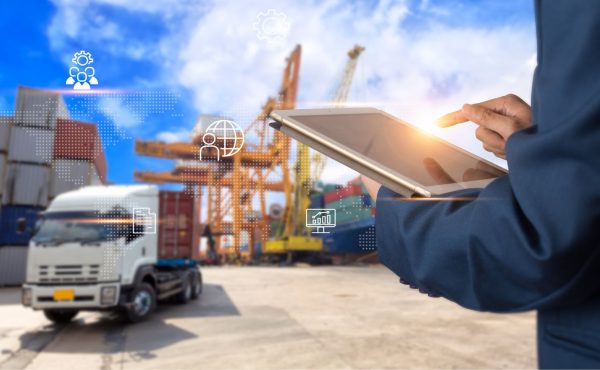
Logisber NEO provides customers with real-time tracking of their ocean and air freight operations. From any device, customers can check the location of their cargo, scheduled stops, completed movements, and estimated arrival date.
The platform also centralizes shipment history and documentation related to each operation, making information easier to access and ensuring traceability throughout the entire process.
When a deviation occurs, this visibility makes it possible to assess its impact and adjust the next stages of the shipment. If the arrival is earlier or later than expected, pickup can be reorganized and final delivery can be prepared more accurately.
Adjusting Capacity and Controlling Costs
Space availability can change quickly in ocean freight and air freight.
Analyzing previous operations helps identify periods of higher demand and make bookings further in advance. For recurring shipments, data can also help estimate the volumes that will need to be transported.
This forecasting facilitates coordination with suppliers and expands the options available before the operation begins.
Data analysis also makes it possible to compare the initial budget with the final cost of the shipment. This review helps identify deviations and determine which factors generated additional expenses.
Monitoring rate trends across different routes and times of the year can help determine when to make a booking or consider another mode of transportation.
Learning From Completed Operations
Data remains useful even after the cargo has reached its destination.
Comparing expected and actual transit times helps identify which stages of the operation performed as planned and where delays occurred.
This review may reveal that a route requires additional time, that a connection point experiences recurring disruptions, or that certain costs frequently arise.
Applying this knowledge to future shipments makes it possible to progressively improve planning and make decisions based on accumulated experience.
Working With Reliable Information
The quality of decisions depends on the information available.
Incomplete or outdated data can provide an inaccurate picture of the operation. For this reason, it is important to collect data consistently and keep it up to date throughout the journey.
It is also important to select the information that adds value to the planning process. Accumulating large amounts of data becomes less useful when there are no clear criteria for interpreting it.
Technology facilitates analysis and makes it possible to process information from different sources. The experience of a freight forwarder helps determine what each piece of data means for the cargo and the operation as a whole.
The same disruption can have different consequences depending on the product being transported, the destination country, or the delivery commitment. Combining information with logistics expertise makes it possible to design more realistic solutions tailored to each shipment.
Planning Each Operation More Accurately
Big data provides a better understanding of route performance and access to up-to-date information throughout the transportation process.
Analyzing this data helps anticipate potential difficulties, prepare alternatives, and learn from completed operations. It also improves cargo visibility and facilitates coordination among the companies involved in the supply chain.
At Logisber, we analyze the characteristics of each shipment and the conditions along its route to design solutions tailored to each operation.
Contact our team to organize your international shipments and maintain visibility and control of your cargo throughout its journey.
Categorías
Compartir