Dangerous Goods Transportation: Key Considerations for a Safe Operation
Transporting dangerous goods is one of the most demanding operations in international logistics.
Chemicals, flammable goods, corrosive substances, and certain active ingredients require specific transportation conditions to ensure safety throughout the entire journey. Any incident can affect people, the environment, or the logistics operation itself.
For this reason, transporting dangerous goods requires careful planning and compliance with specific regulations at every stage of the process.
Safety starts before transportation
Every operation begins with the proper classification of the goods.
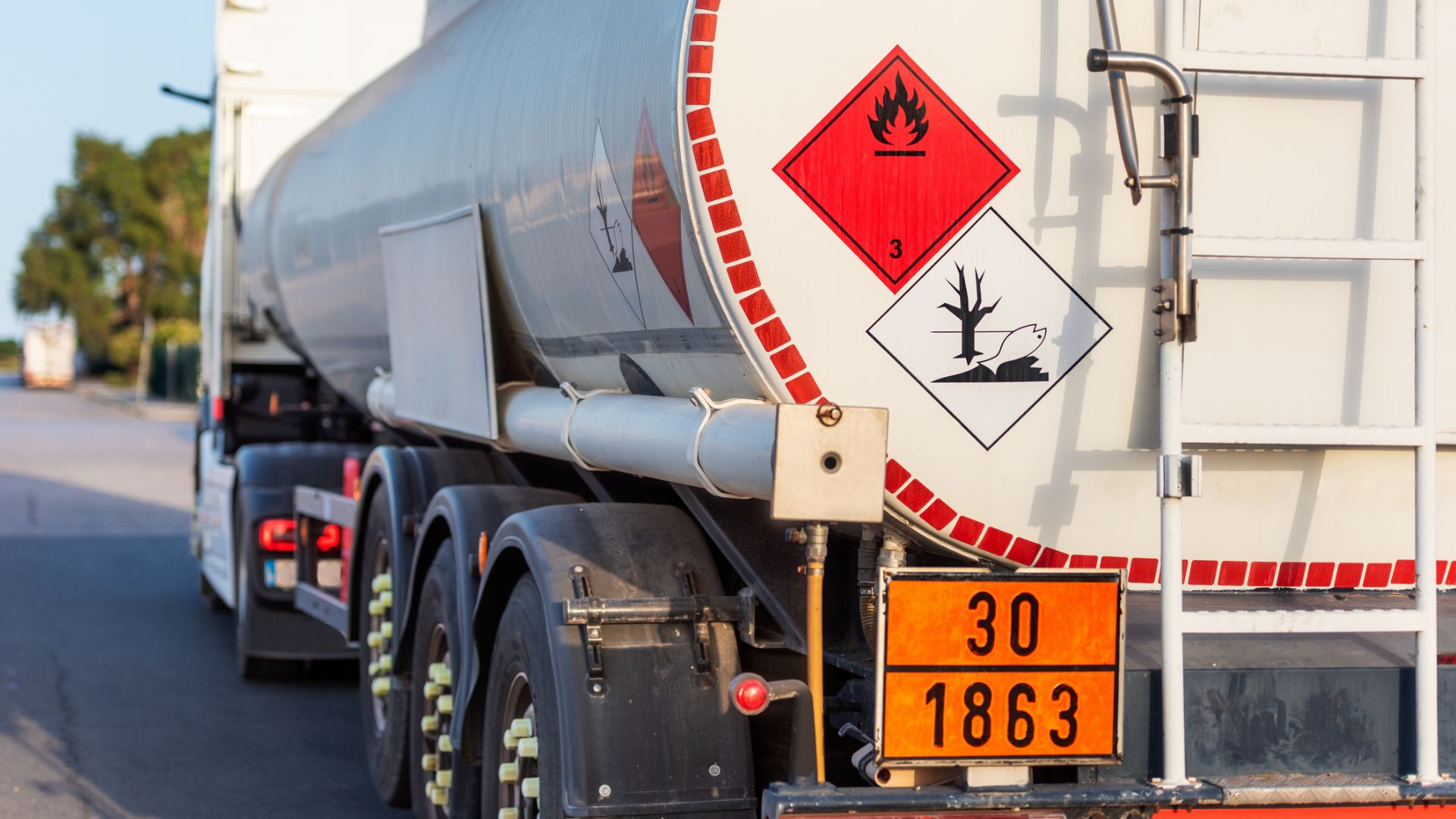
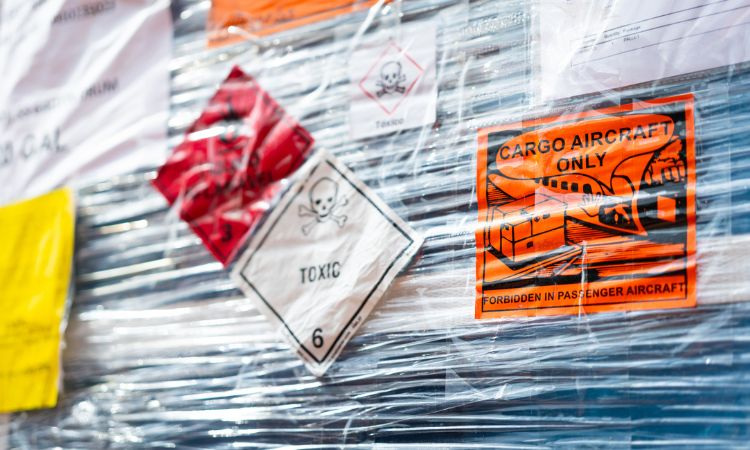
Identifying the UN number, hazard class, or packing group determines how each product must be handled, transported, and documented. Incorrect classification can lead to delays, penalties, or compromise the safety of the entire operation. From there, regulations such as the ADR Agreement for road transport, the IMDG Code for maritime transport, or IATA regulations for dangerous goods transported by air establish the specific requirements for each mode of transportation.
Every detail affects the operation
The safety of dangerous goods transportation depends on every decision involved in the operation.
Packaging must comply with applicable regulations and be appropriate for the characteristics of the goods. Depending on the quantity transported and the level of risk associated with the product, provisions such as limited quantities or excepted quantities may apply, allowing the use of packaging that does not require UN specification approval. Understanding these provisions helps ensure regulatory compliance and can prevent unnecessary costs for exporters.
Documentation must also be prepared correctly to prevent issues during customs clearance. At the same time, the cargo must be handled following specific procedures that reduce the risk of leaks or spills and prevent incompatibilities between products.
Proper planning completes this process. Analyzing the route and selecting the appropriate mode of transportation helps identify potential risks before the goods begin their journey.
Digitalization provides greater control
Technology is also transforming the way dangerous goods are managed.
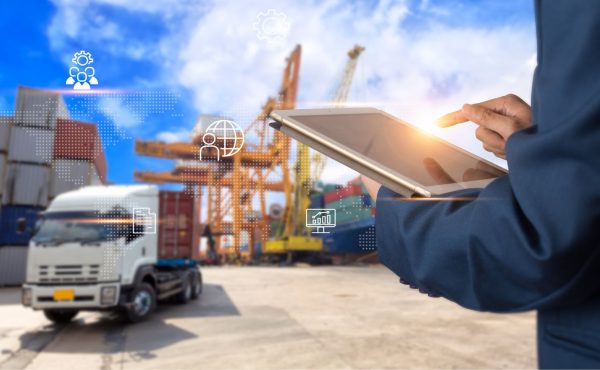
Digital documentation and tracking tools provide greater visibility into each operation and make it possible to respond more quickly to any issues that may arise. At Logisber, this commitment to innovation is reflected in Logisber Neo, a platform that allows customers to check shipment status and track operations more efficiently, providing greater control throughout the logistics chain.
The importance of working with specialized operators
Managing dangerous goods requires experience, regulatory expertise, and continuous oversight throughout the operation.
At Logisber, we have more than 15 years of experience managing these types of operations for industries such as chemicals and pharmaceuticals. We design solutions tailored to each requirement, complying with key international regulations and combining our expertise with digital tools that provide greater control over every shipment.
Contact our team to learn how we can help you manage the international transportation of dangerous goods with the level of safety and confidence each operation requires.
Categorías
Compartir