Multimodal transport. The great ally when time and cost matter
Choosing how to transport goods does not always come down to a single option. In many international operations, the key lies in knowing how to combine.
Multimodal transport makes it possible to integrate different modes of transport within a single operation in order to optimize time, costs, and efficiency. It is a solution increasingly used in complex logistics chains or in shipments that require greater control.
Each operation has its own conditions. Analyzing the route, timelines, and type of cargo allows for the definition of a more comprehensive and tailored logistics strategy.
Combining to gain efficiency
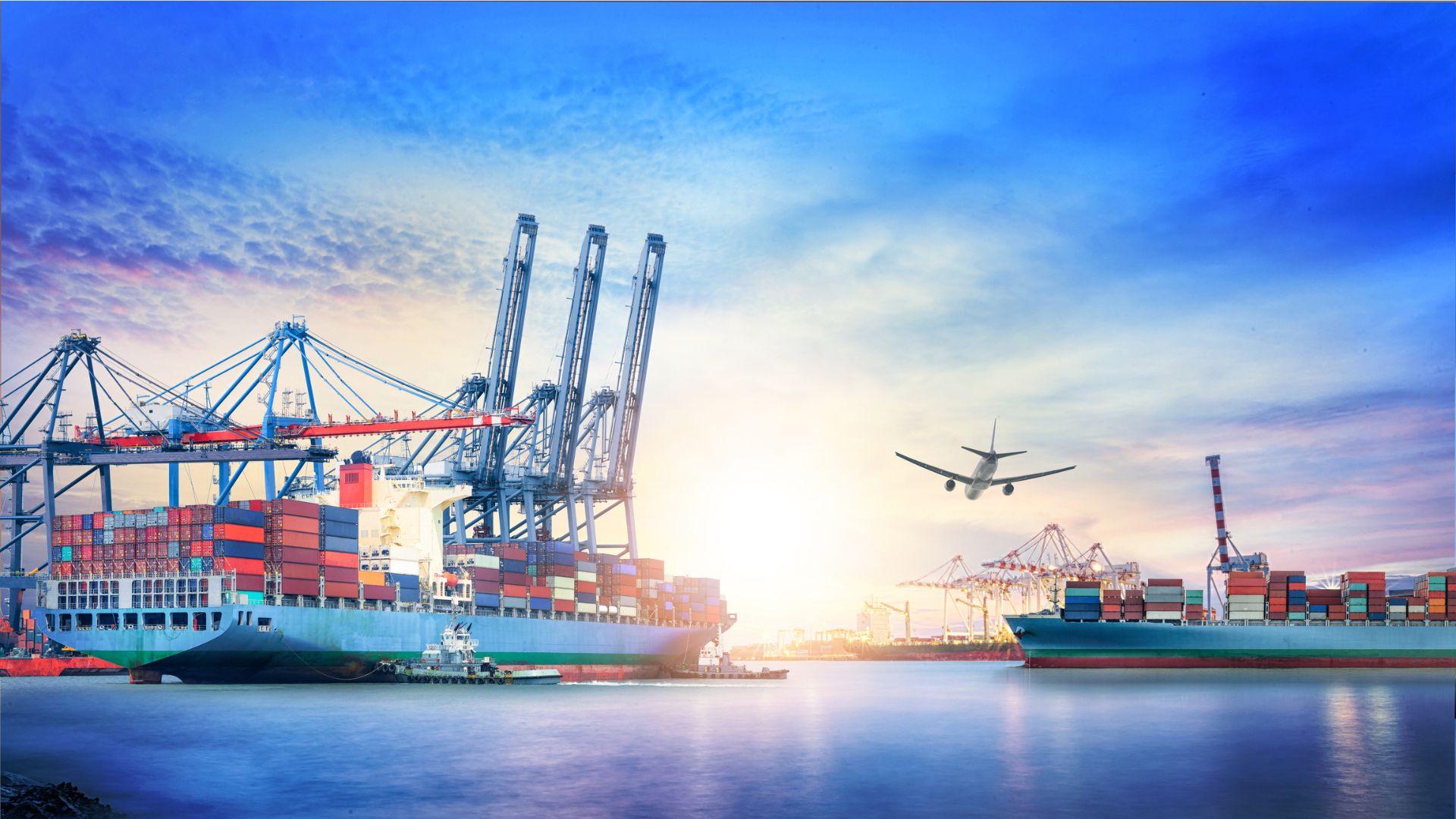
Multimodal transport is based on the integration of different modes of transport, such as sea, air, and land, under a single coordination.
This combination makes it possible to take advantage of the strengths of each mode. Maritime transport provides cost competitiveness, air transport reduces transit times, and land transport facilitates connections at origin and destination.
When properly designed, this integration allows for the creation of more efficient routes aligned with the real needs of each shipment.
A single management for the entire operation
One of the main benefits of multimodal transport is the centralization of management.
Coordinating multiple suppliers, carriers, and customs processes through a single point of contact reduces operational complexity. It also provides a global view of the logistics chain and improves decision-making.
Working with a freight forwarder that takes on this coordination facilitates control of the cargo and minimizes potential issues during transit.
Greater control and visibility in every shipment
Continuous monitoring is a key factor in multimodal operations.
Having centralized tracking allows you to know the status of the cargo at all times, regardless of the transport mode used. This visibility provides security and helps anticipate potential deviations in planning.
In an international environment, where multiple stakeholders are involved, having up-to-date information is essential to maintain control of the operation.
Cost and time optimization
Multimodal transport makes it possible to adjust operations to a real balance between cost and speed.
Not all goods require maximum urgency, and not all can afford long transit times. The combination of modes allows each stage of the journey to be adapted in order to optimize resources without compromising efficiency.
In addition, proper planning helps reduce indirect costs, such as unnecessary storage or customs delays.
Solutions for complex operations
In demanding logistics projects or in the transport of special cargo, a multimodal approach is especially useful.
It allows for the design of flexible routes, adapted to the characteristics of the cargo and the operational limitations of each country or infrastructure. This adaptability is key in international operations with multiple transit points.
Analyze to make better decisions
Before opting for multimodal transport, it is important to evaluate all the variables involved in the operation.
Volume, urgency, destination, and specific cargo requirements must be analyzed together. Only then is it possible to define a solution that combines operational efficiency and control.
Making decisions without this global view can lead to deviations that affect the final outcome.
A partner that coordinates the entire chain
At Logisber, we design multimodal transport solutions that integrate land, sea, and air under a single coordination.
We manage every stage of the shipment, from origin to destination, including customs formalities and continuous cargo tracking.
Our goal is to simplify operations, optimize costs, and ensure that every shipment moves forward with security and control at all times.
Multimodal transport connects the world more efficiently. And when properly managed, it becomes a real advantage for any international operation. Contact our team.
Categorías
Compartir